Capacity Building
Capacity Building .
Democratising Ownership
Blockchain can democratise ownership and reallocate resources, shifting power dynamics to those most knowledgeable about and vulnerable to climate change impacts. By enabling decentralized control and transparency, it empowers communities and individuals to actively participate in climate solutions.
Transparency and Integrity
Blockchain improves the transparency and integrity of existing decarbonization mechanisms, such as carbon markets. It provides an immutable record of transactions, ensuring accountability and trust. Real-time visibility into emissions reduction and sequestration efforts becomes possible, fostering greater confidence in climate action initiatives.
Education and Awareness
Educate policymakers, businesses, and local communities in developing countries about blockchain’s benefits for climate action. Workshops, webinars, and capacity-building programs can enhance understanding and foster adoption.
- Policy Alignment: Governments play a central role in shaping climate policies and regulations. By involving them in capacity building, we ensure alignment between blockchain initiatives and existing legal frameworks. This collaboration facilitates smoother integration of blockchain solutions into national and international climate strategies.
- Resource Allocation: Governments control funding and resources. Capacity-building sessions allow officials to understand the potential of blockchain technology, allocate budgets, and prioritize climate-related projects effectively. Without their buy-in, sustainable implementation becomes challenging.
- Interagency Coordination: Government agencies work across sectors (e.g., environment, finance, energy). Capacity building fosters cross-agency collaboration, enabling holistic climate action. Blockchain’s impact extends beyond individual departments, necessitating coordinated efforts.
- Public Trust: Governments are trusted entities. Their endorsement of blockchain applications enhances public confidence. Capacity building ensures that government stakeholders comprehend the benefits, risks, and ethical considerations, promoting informed decision-making.

- Policy Alignment: Governments play a central role in shaping climate policies and regulations. By involving them in capacity building, we ensure alignment between blockchain initiatives and existing legal frameworks. This collaboration facilitates smoother integration of blockchain solutions into national and international climate strategies.
- Resource Allocation: Governments control funding and resources. Capacity-building sessions allow officials to understand the potential of blockchain technology, allocate budgets, and prioritize climate-related projects effectively. Without their buy-in, sustainable implementation becomes challenging.
- Interagency Coordination: Government agencies work across sectors (e.g., environment, finance, energy). Capacity building fosters cross-agency collaboration, enabling holistic climate action. Blockchain’s impact extends beyond individual departments, necessitating coordinated efforts.
- Public Trust: Governments are trusted entities. Their endorsement of blockchain applications enhances public confidence. Capacity building ensures that government stakeholders comprehend the benefits, risks, and ethical considerations, promoting informed decision-making.
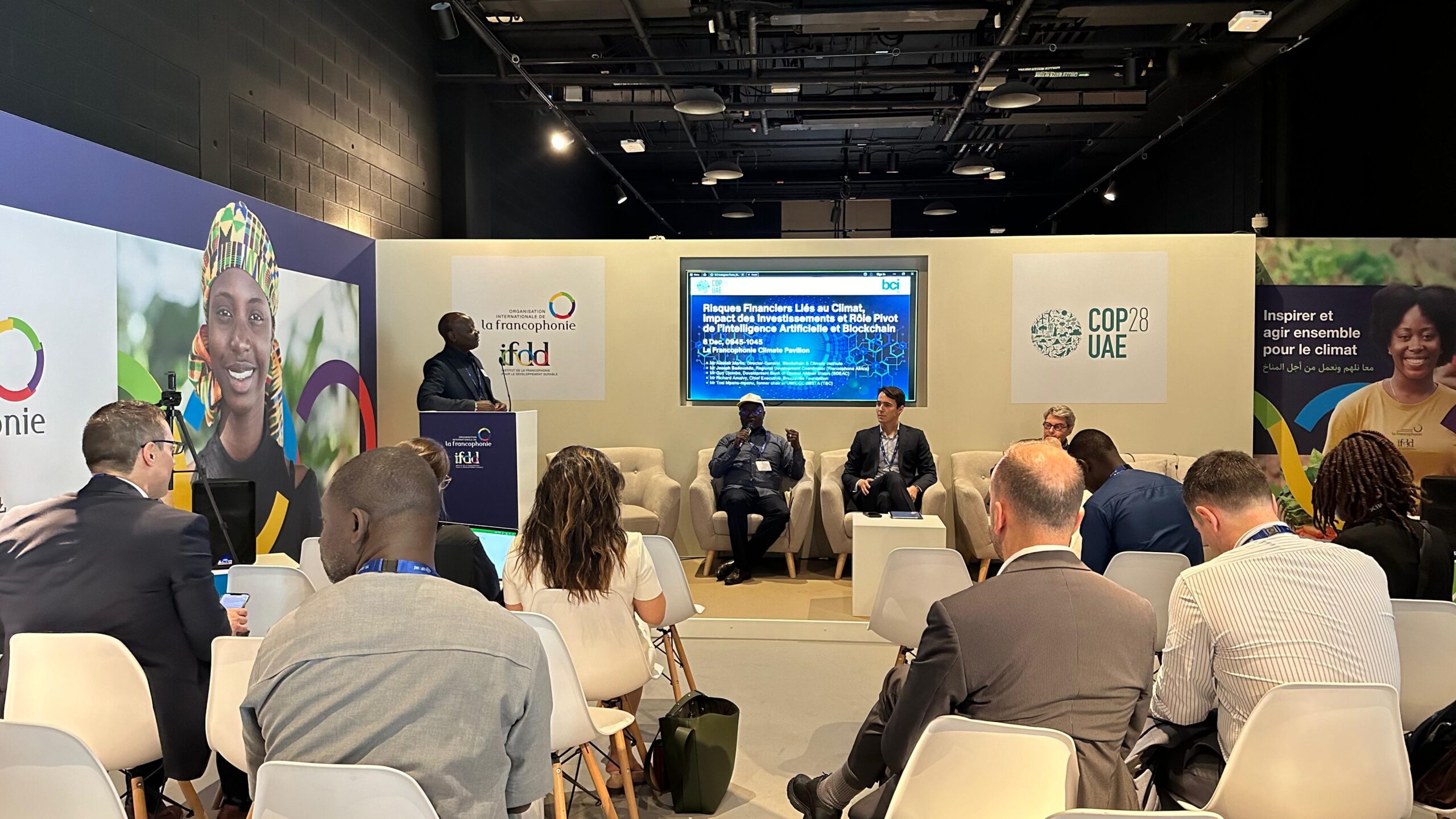
- In September-October 2021, BCI Capacity Building Division co-organised with the UN Climate Technology Centre and Network (CTCN) the first-of-its-kind online course, entitled “Emerging Digital Technologies for Climate Policy Implementation” for over 100 government representatives from over 70 member states.
- Between November 2021 and January 2022, BCI Capacity Building Division and CTCN co-organised a Webinar Series with 6 webinar headings. Leading BCI experts together with guest speakers from the public and private sectors introduced blockchain concepts and use cases across areas such as governance, renewable energy, climate mitigation and adaptation, carbon markets and value chains. (Refer to the factsheet about our Capacity Building efforts for more details.)